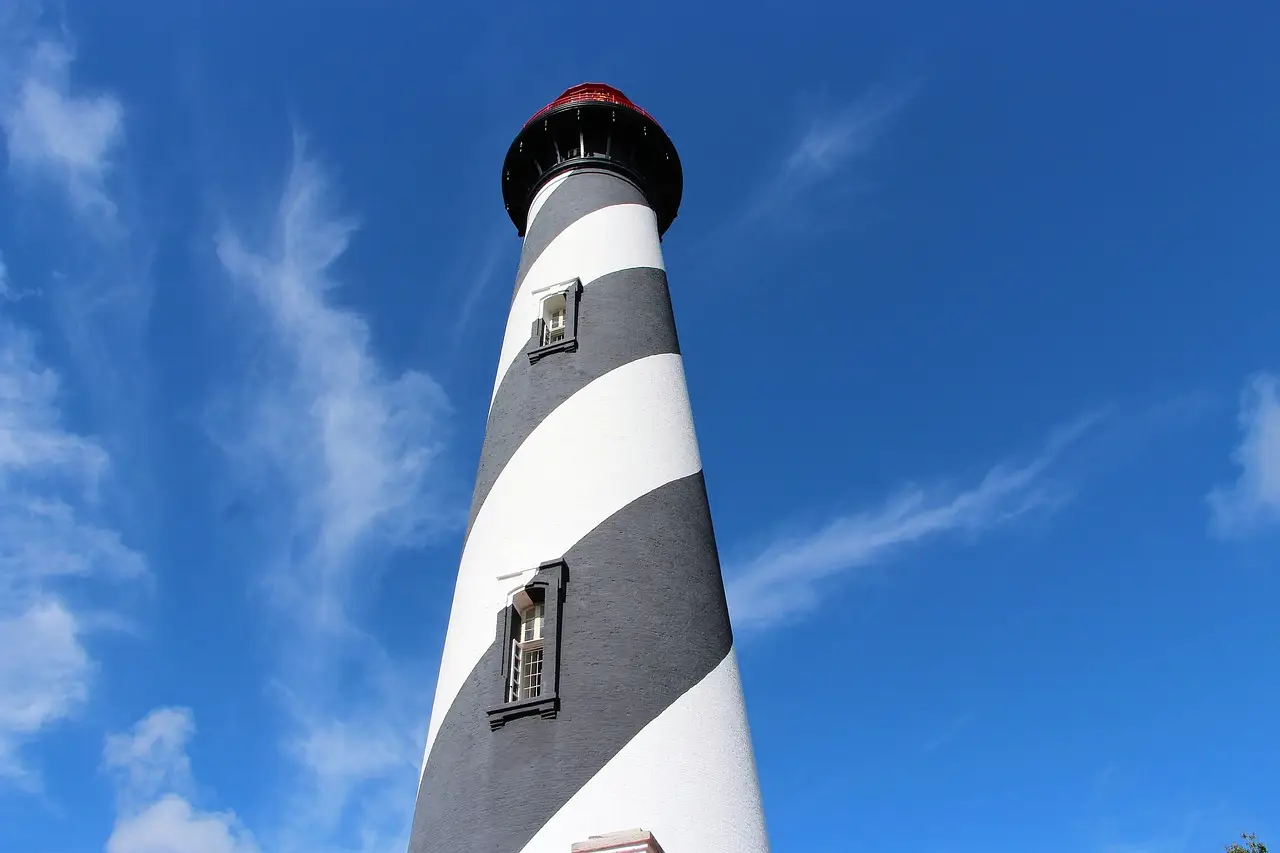
Standing sentinel at the northern tip of the Kitsap Peninsula since 1879, Point No Point Lighthouse holds the distinction of being the oldest lighthouse on Puget Sound. This modest 30-foot brick and stucco tower has guided countless vessels safely through the treacherous waters where Admiralty Inlet meets Puget Sound, marking not only a crucial navigation point but also a site of profound historical significance where treaties were signed and maritime commerce flourished.
A Lighthouse Born of Necessity
The lighthouse emerged from growing concerns about maritime safety as commerce expanded throughout Puget Sound in the 1870s. The completion of the Northern Pacific Railroad to Tacoma in 1872 promised increased vessel traffic, while a series of devastating shipwrecks, including the bark Iconium in 1868 and the bark Windward in 1875, demonstrated the urgent need for navigational aids.
Point No Point represented a particularly hazardous location where all vessels traveling to or from Seattle, Tacoma, and the Bremerton Naval Shipyard must pass. The dangerous shoal extending from the point, combined with strong currents and frequent fog, created conditions that claimed ships and lives with tragic regularity.
In 1872, the Lighthouse Board recommended construction of a lighthouse at this critical navigation point, and Congress appropriated $25,000 in 1873. Construction began in April 1879, with the light first lit on January 1, 1880, and fully operational by February 1, 1880, creating a beacon that would serve mariners for nearly 150 years.
Engineering Excellence
The lighthouse’s technical specifications reflected the best lighthouse engineering of the era. The 30-foot brick and stucco tower initially housed a fifth-order Fresnel lens, upgraded to a fourth-order lens in 1898, the same lens still preserved today as evidence of 19th-century optical engineering.
The station’s fog signal system evolved with technological advances. A fog bell provided the original warning system for mariners caught in Puget Sound’s frequent fog banks. In 1900, the station received a Daboll trumpet, a compressed-air fog signal that could penetrate greater distances and provide more reliable warning during the thick fogs that could blanket the sound for days.
These improvements reflected the lighthouse service’s commitment to safety and their understanding that Puget Sound’s unique geography, protected waters surrounded by mountains that trapped fog and created unpredictable weather patterns, required specialized navigational aids.
A Name with History
The lighthouse’s unusual name comes from Captain Charles Wilkes, who surveyed Puget Sound in 1841 during the U.S. Exploring Expedition. From his ship, the spit appeared much larger than it actually was, leading him to name it “Point No Point” when he discovered the optical illusion created by the perspective from the water.
However, the site held much deeper significance for local Native American peoples, who called it “Hahd-skus,” meaning “long nose,” in reference to the spit’s distinctive shape. This indigenous name reflected thousands of years of intimate knowledge of these waters and their navigational challenges.
The location became nationally significant on January 26, 1855, when Territorial Governor Isaac Stevens and leaders of the S’Klallam, Skokomish, and Chimacum tribes signed the Point No Point Treaty on the beach near the future lighthouse site. This treaty, like many others signed during this period, would have lasting and often devastating consequences for indigenous peoples of the region.
Serving Maritime Commerce
Throughout its operational history, Point No Point Lighthouse played a crucial role in the Pacific Northwest’s maritime economy. The beacon guided lumber ships carrying timber from Puget Sound mills to markets around the world, passenger steamers connecting communities throughout the sound, and naval vessels protecting the West Coast.
During World War II, the lighthouse gained strategic importance as increased military traffic moved through Puget Sound to support Pacific theater operations. The naval shipyard at Bremerton, protected by the sound’s inland waters, became a crucial repair and construction facility for the Pacific Fleet, making safe navigation more important than ever.
The 1975 addition of a 90-foot radar tower for the Vessel Traffic Service reflected the lighthouse’s continued importance in modern maritime operations. This system coordinates movement of large commercial vessels, preventing collisions and groundings in the increasingly busy waterways of Puget Sound.
Automation and Preservation
The lighthouse was fully automated in 1977, ending nearly a century of resident lighthouse keepers who maintained the station while living in isolation at this remote point. The last keepers left behind a facility that had served faithfully through all weather conditions, technological changes, and the dramatic transformation of Puget Sound from a frontier waterway to a major commercial corridor.
In 2006, the lighthouse received a modern LED beacon while preserving the historic fourth-order Fresnel lens as evidence of the craftsmanship and engineering excellence of the lighthouse service era. This upgrade improved reliability and reduced maintenance requirements while maintaining the lighthouse’s historic character.
The transition to Kitsap County Parks management in 2008 ensured public access to this historic site while providing professional stewardship for the lighthouse’s preservation. The establishment of the U.S. Lighthouse Society headquarters at Point No Point in 2008 created a national center for lighthouse preservation and education.
A Lighthouse for the People
Point No Point Lighthouse has achieved something remarkable among Pacific Northwest lighthouses, it remains fully accessible to the public. Visitors can tour the lighthouse itself, explore the keeper’s quarters (now available as vacation rentals), and walk the beach where the 1855 treaty was signed.
The 60-acre park surrounding the lighthouse provides beach access, hiking trails, and interpretive exhibits that explain both the maritime and cultural history of this significant site. Weekend tours from April through September allow visitors to climb the lighthouse tower and experience the panoramic views that lighthouse keepers enjoyed for nearly a century.
The site’s accessibility makes it unique among Kitsap County’s historic resources and provides opportunities for education about maritime history, lighthouse technology, and the complex cultural interactions that shaped the Pacific Northwest.
Modern Maritime Guardian
Today, Point No Point Lighthouse continues serving modern maritime traffic including container ships carrying goods between Asia and North American markets, cruise liners bringing tourists to explore Puget Sound, naval vessels from the Bremerton shipyard, fishing boats harvesting the sound’s marine resources, and recreational craft enjoying the protected waters.
The lighthouse’s LED beacon operates automatically, providing reliable navigation assistance while the preserved Fresnel lens reminds visitors of the human skill and dedication required to maintain navigation aids in the pre-electronic era. The station represents both technological progress and the enduring human need for safety and guidance in dangerous waters.
Legacy of Service
Point No Point Lighthouse embodies the best traditions of maritime service, dedication to safety, technological innovation, and commitment to serving all who depend on the sea. For 145 years, this modest lighthouse has provided reliable guidance to mariners navigating some of the Pacific Northwest’s most challenging waters.
The lighthouse’s preservation and continued public access ensure that future generations can understand the courage and skill required to maintain maritime safety in an era when lighthouse keepers lived in isolation, maintained complex equipment by hand, and risked their lives to keep lights burning during the worst storms.
As Puget Sound continues serving as a crucial corridor for international commerce and naval operations, Point No Point Lighthouse remains a symbol of the human commitment to maritime safety and the enduring importance of places where land and sea meet, where treaties are signed, and where beacons shine through the darkness to guide travelers safely home.