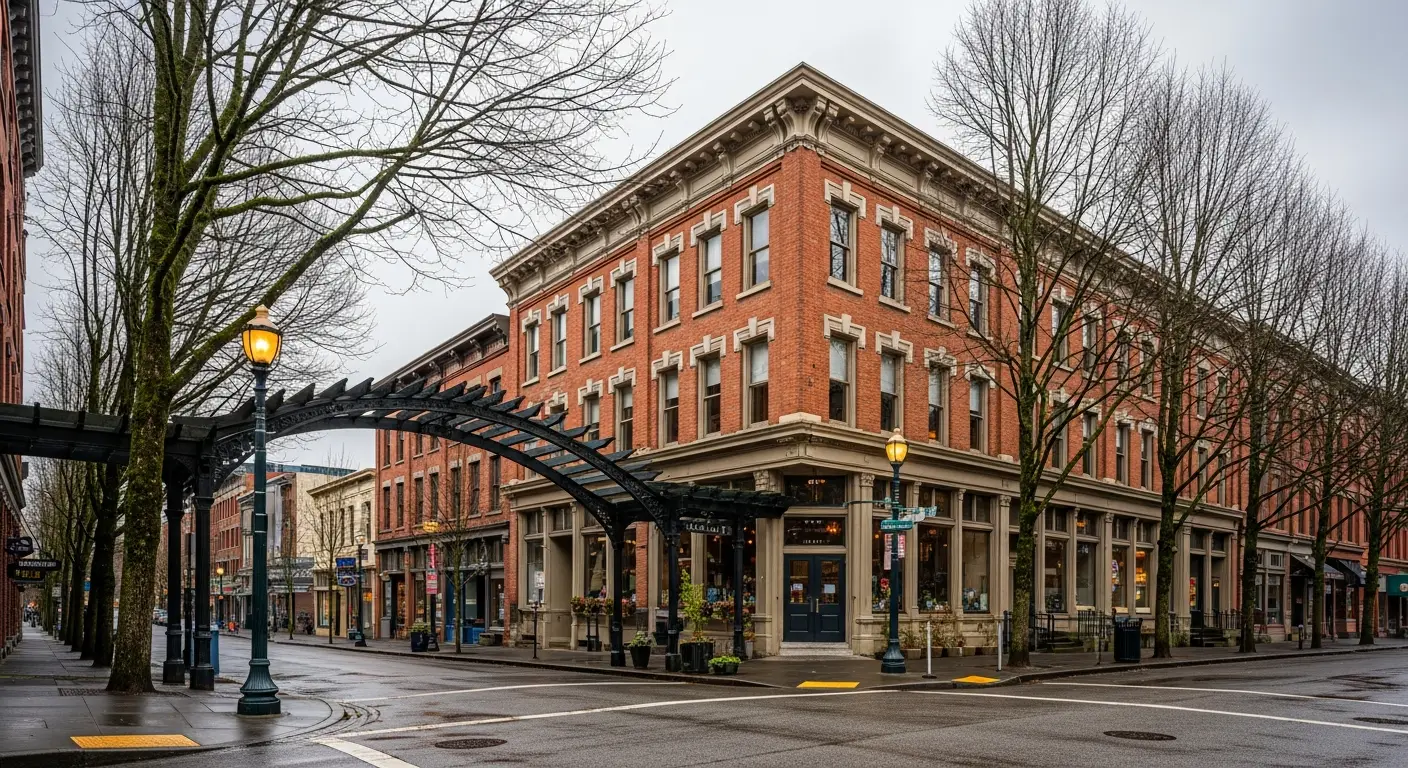
Standing in Pioneer Square, you’re at the heart of where Seattle transformed from a modest port town into a major city. When word of Klondike gold reached Seattle on July 17, 1897, as the steamship Portland docked with its “ton of gold,” the city would never be the same.
Gateway to the North
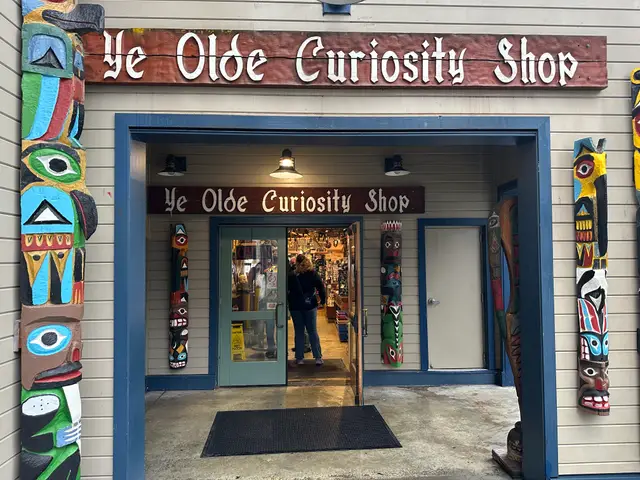
Seattle marketed itself as the “Gateway to the Klondike,” and for good reason. The city’s merchants shrewdly positioned themselves as the ultimate outfitting stop for prospectors heading north. Inside the shops that once lined these streets, thousands of would-be millionaires purchased supplies for their journey to the Yukon.
The Proper Outfit
Here in Seattle, each prospector was required to show Canadian authorities they had a year’s worth of supplies - about a ton of goods - before being allowed to enter the Yukon. Local merchants created detailed lists of required items:
- 400 pounds of flour
- 200 pounds of bacon
- Tools for mining
- Warm clothing for the Arctic conditions
- Camping equipment
More Than Gold
While few Seattle residents struck gold in the Klondike, the city itself struck it rich. Local businesses boomed:
- Cooper & Levy Pioneer Outfitters
- Schwabacher Hardware
- MacDougall & Southwick’s Department Store
- Numerous hotels and restaurants
Seattle’s population doubled during the rush. Banks, merchandising, and shipping companies flourished. The city’s port became the dominant maritime hub for the Pacific Northwest.
Economic Legacy
The Klondike Gold Rush’s impact on Seattle was transformative:
- The population grew from 42,000 to 80,000 in a single decade
- The city established itself as the primary shipping port for the Pacific Northwest
- Local businesses like Nordstrom (initially a shoe store) and Filson (outdoor gear) got their start
- Seattle’s banking industry grew to finance the gold trade
What to Look For Today
As you explore the historic Pioneer Square district:
- Notice the beautiful Richardsonian Romanesque buildings, many built with Klondike wealth
- Visit the restored Cadillac Hotel building, now the Klondike Gold Rush National Historical Park museum
- Look for the gold rush-era architectural details that still adorn many buildings
- Find the original locations of outfitting stores marked by historical plaques
Lasting Impact
Though the gold rush lasted only a few years, its impact on Seattle was permanent. The city emerged as a major transportation hub, financial center, and gateway to Alaska and the Yukon. The wealth, infrastructure, and commercial relationships established during this period laid the foundation for Seattle’s continued growth and prosperity.
Today, as you walk these historic streets, remember that Seattle’s modern identity as a boom town was forged in the heady days of the Klondike Gold Rush, when the city transformed itself from a frontier town into a major metropolis.