The Airport: Gateway to the Washington Coast
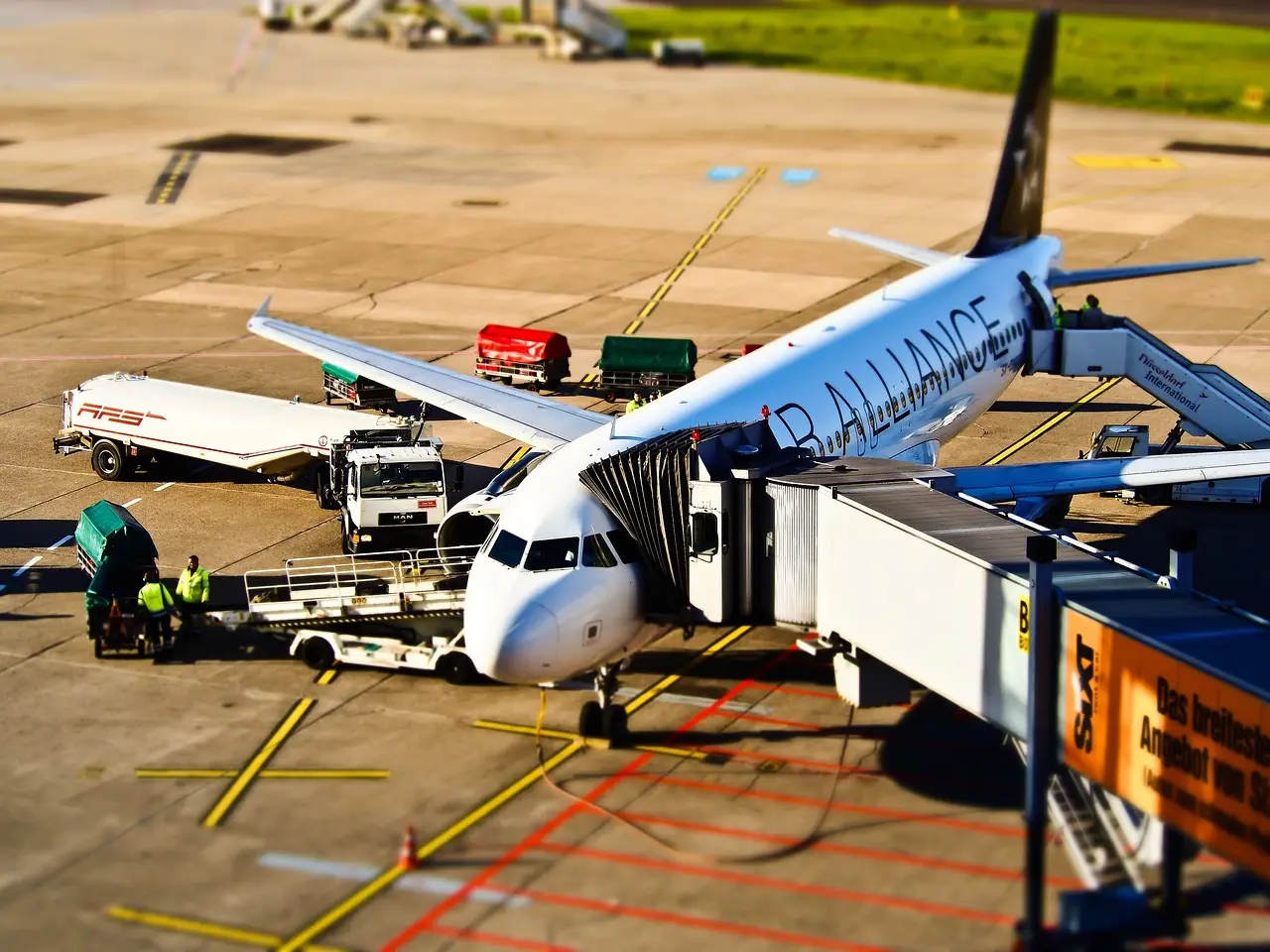
Bowerman Airport (KHQM) sits on a low spit reaching into Grays Harbor, about two miles west of Hoquiam, Washington. Owned and operated by the Port of Grays Harbor, the field offers a 5,000-by-150-foot asphalt runway (6/24) with an ILS approach to Runway 24 — serious instrument capability for a small coastal airport, and a welcome sight when the marine layer rolls in off the Pacific.
The airfield’s story starts in wartime. According to HistoryLink, the free online encyclopedia of Washington state history, the site — then known as Moon Island Airport — was taken over by the U.S. Army in 1942, which built two runways and expanded the field to serve as a coastal patrol base during World War II. In 1953 the field was renamed to honor First Lieutenant Robert C. Bowerman (1921-1952), a co-pilot killed in a Korean War crash. In 1962 the airport was transferred to the Port of Grays Harbor, which has run it ever since.
Too small for major commercial service but well suited to general aviation and corporate aircraft, Bowerman has been Grays Harbor County’s air link to the rest of the Northwest for more than 80 years. For a couple of decades, though, its best-known feature wasn’t the runway. It was the restaurant.
Lana’s Hangar Cafe: A Fly-In Institution
For 22 years, Lana’s Hangar Cafe operated right on the airport property at 1400 Airport Way. On good-weather weekends, small aircraft from around the region — Cessnas, Pipers, Bonanzas — would drop in at KHQM for breakfast or lunch, taxi to the ramp, and walk in for coffee.
The “$100 Hamburger” Tradition
Pilots call these recreational flights “$100 hamburgers” — the tongue-in-cheek term for flying somewhere just for the joy of it, where the cost of aircraft and fuel far exceeds the price of the meal. Lana’s was a classic $100-hamburger destination: close enough to Puget Sound airports for an easy cross-country, far enough to feel like a real trip, and rewarded at the end with a hot meal beside the ramp.
In pilot forums and hangar talk, Lana’s is remembered fondly — “a great place to stop for lunch while flying to the beach,” as one pilot put it when news of its departure broke, and “a big draw for pilots passing through.” Those memories are community recollection rather than documented history, but they capture why an unassuming airport cafe mattered: on-field restaurants give flying a destination, and they were already growing scarce in the Northwest.
A Personal Connection
This field is part of this site’s own story. The site’s creator grew up hearing about lunch runs to the Grays Harbor coast: his father used to fly out from the now-vanished Bellevue Airfield with a pilot buddy from work, bound for the cafe on the field. Years later, Bowerman became the destination of his own first solo cross-country as a student pilot — and the photo at the top of this page was taken on that flight.
The Move to Town (2014)
In January 2014, after 22 years at the airport, owner Shelly Dixon announced that Lana’s was leaving the field. As reported by Grays Harbor radio station KXRO, the reason was straightforward: the restaurant wanted a bigger building and room to expand its dinner service. The cafe reopened that winter on Simpson Avenue in downtown Hoquiam under a new name, Simpson Avenue Grill.
For pilots, the practical effect was the end of an era. You can still fly to KHQM, still shoot the ILS to Runway 24, still taxi to the parking area — but there’s no longer a restaurant waiting on the field, and grabbing a meal now means a trip into town.
Bowerman Today
The airport continues to serve Grays Harbor County with general aviation and corporate operations under the Port of Grays Harbor, alongside the Port’s marine terminals and marina. Its long, instrument-equipped runway remains one of the most capable on Washington’s outer coast.
The Legacy
Bowerman Field packs a lot of Northwest aviation history into one windswept spit: a World War II Army patrol field, a memorial to a local airman lost in Korea, a working Port-owned airport — and, for a generation of pilots, the smell of coffee and bacon at the end of a coastal flight. The cafe has moved on, but the airport still welcomes anyone willing to make the trip west.